
Splendid robes, beautiful makeup — the figure of a tayu is dazzling indeed.
Yet her appeal was never in appearance alone. The tayu of Kyoto’s Shimabara was expected to possess deep learning and to devote herself to the ceaseless practice of her art.
Shimabara, a place where learning was expected
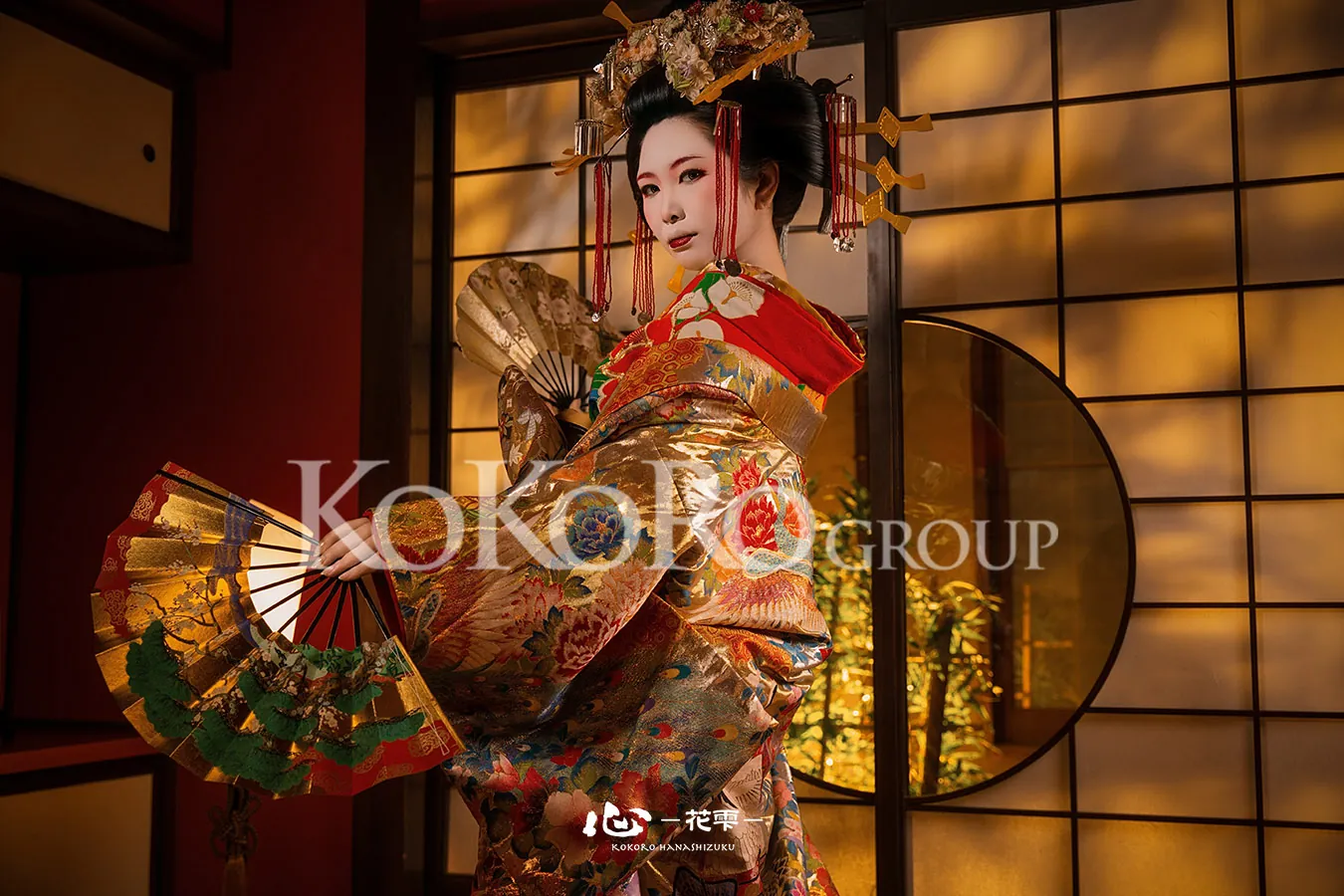
Shimabara drew together court nobles, feudal lords, wealthy merchants and men of letters. To receive such guests, knowledge, courtesy and artistic skill were all indispensable.
Of the tayu were required the performing arts — dance, music and the shamisen — together with a broad cultural grounding in waka poetry, calligraphy, tea and incense.
These were not mere amusements. They were accomplishments that joined one person to another and enriched the occasion. It is said that she was expected not only to display her art, but to understand the culture and the aesthetic sense that lay behind it.
The refinement nurtured by court culture
The learning of Shimabara carried a colour particular to Kyoto: the influence of court culture.
Refined speech. Manners. Beautiful bearing. The accomplishments derived from courtly culture, such as waka poetry and incense appreciation, were valued above all.
What breathed beneath the splendid dress was the culture of miyabi — the courtly elegance particular to Kyoto.
What Yoshino Tayu II revealed
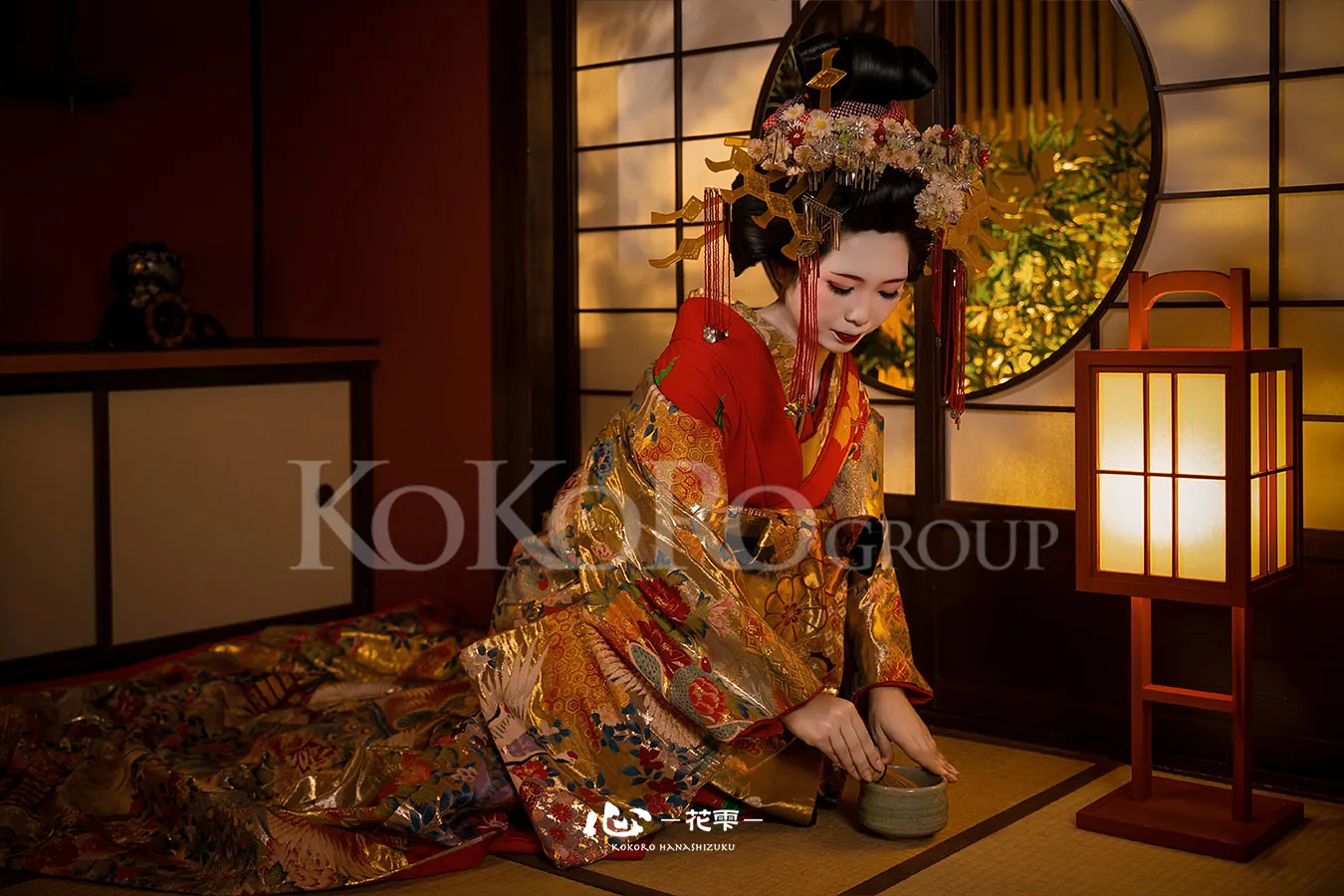
Among the tayu of successive generations, one of the most celebrated is Yoshino Tayu II.
She is said to have excelled in waka poetry, calligraphy, tea and incense, and to have been versed in instruments such as the koto, the biwa and the sho as well.
Her figure conveys to this day that the tayu was no mere beautiful woman. A being who united art and learning — that was the tayu.
Learning as refinement
For the tayu, learning meant more than the acquiring of knowledge.
A heart that honoured her guests. The attentiveness that put an occasion at ease. Beautiful deportment. These, too, were considered essential learning.
For that very reason, the tayu was expected not only to hone her art but to cultivate refinement as a person.
In the tayu culture of today as well, the traditional performing arts, courtesy and an understanding of Kyoto’s culture are carefully handed down. The learning of the tayu is also a learning by which Japanese culture itself is passed to the next generation.
If a sense of grace can be felt in the figure of the tayu, it is surely because the learning and refinement cultivated over long years still live within it. To know what lies beneath the beauty of the dress is also to touch the heart of the culture of the tayu.